
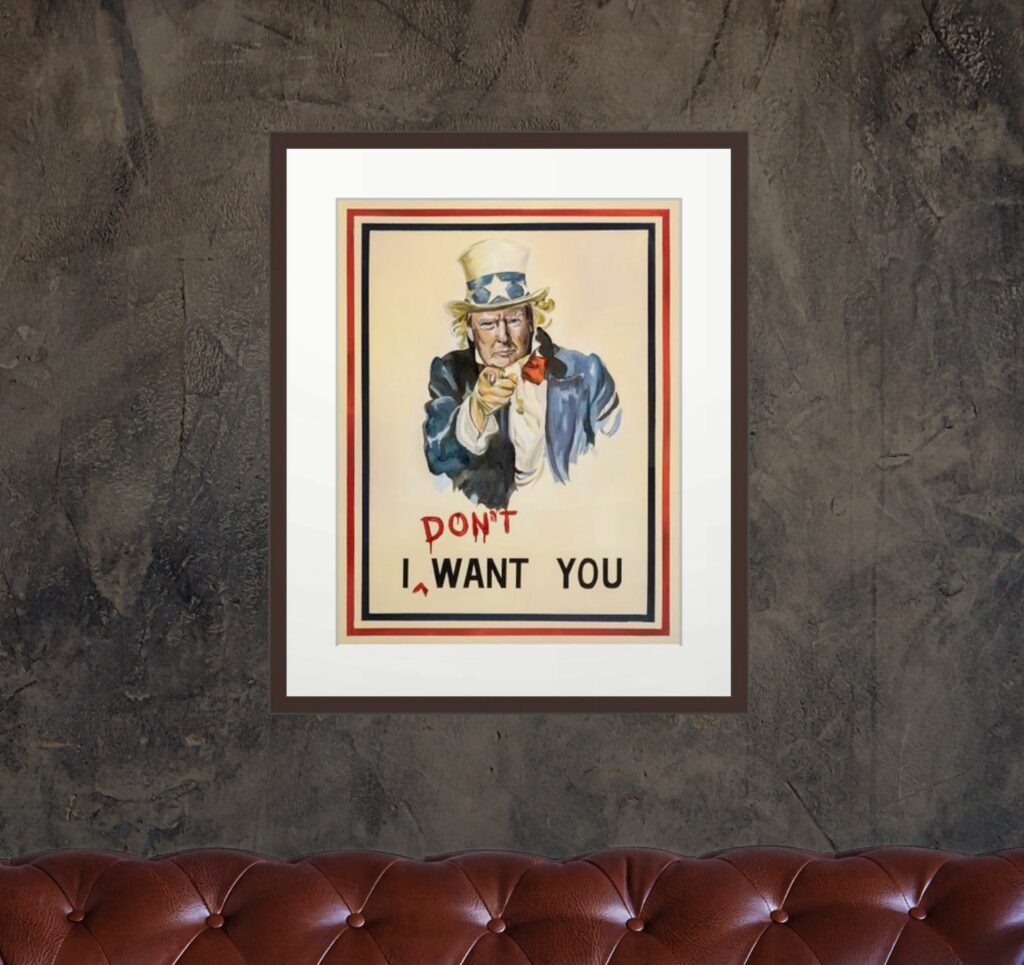
Buying limited edition art prints is one of the most accessible and rewarding ways to start or grow an art collection. Whether you’re purchasing your first piece or adding to an established collection, understanding what makes a print truly collectible will help you buy with confidence — and enjoyment.
This guide walks you through what to look for, how to assess quality and value, and how to choose limited edition art prints that will bring lasting impact to your space.
What Does “Limited Edition” Really Mean?
A limited edition art print is produced in a fixed, predetermined number. Once that edition size is reached, no more prints of that artwork are made in that format.
For collectors, this matters because:
- Scarcity supports long-term desirability
- Smaller editions are generally more sought-after
- The edition size is part of the artwork’s provenance
You’ll usually see editions written as a fraction, for example 25/150 — meaning print number 25 from a total edition of 150.
Tip: All genuinely limited editions should clearly state the edition size.
Edition Size: Why Smaller Often Means More Desirable
Edition size is one of the biggest factors influencing collectability.
- Small editions (10–50): Highly collectible, often favoured by serious collectors
- Medium editions (50–150): A balance of accessibility and scarcity
- Large editions (300+): More decorative, less collectible
Smaller runs tend to retain value better because demand can never be met once the edition sells out.
Signed vs Unsigned Prints
Many collectors prefer signed limited edition prints, as a signature adds a direct connection to the artist.
When assessing a signature:
- Look for hand-signed (not printed) signatures
- Check placement — usually in pencil beneath the image
- Ensure it matches the artist’s usual signing style
Unsigned prints can still be valuable, but signed editions typically command stronger collector interest.
Print Quality & Materials Matter
Not all prints are created equal. Quality materials are essential for longevity.
Key things to look for:
- Archival papers (museum-grade, acid-free)
- High-quality inks designed to resist fading
- Professional printing processes (not mass-market posters)
Gallery-quality printing ensures the artwork retains its visual impact for decades.
Choosing a Style That Works for Your Space
Limited edition art prints should feel personal as well as considered.
Ask yourself:
- Does this piece suit my interior style?
- Will I still love it in five or ten years?
- Does it reflect my interests or personality?
Many collectors are drawn to contemporary themes such as pop culture, fashion, motorsport, satire, and modern portraiture — bold works that make a statement while remaining timeless.
Size, Framing & Presentation
Before buying, consider where the artwork will live.
- Large statement prints work beautifully in open-plan spaces
- Smaller works suit intimate settings or gallery walls
- Professional framing enhances both presentation and protection
Using UV-protective glass and acid-free mounts helps preserve the artwork’s condition over time.
Buying Limited Edition Art Prints Online
When buying online, make sure you’re purchasing from a trusted source.
Check for:
- Clear edition details
- Authenticity information
- Professional photography of the artwork
- Secure checkout and shipping
Buying directly from the artist or their gallery offers transparency and peace of mind.
Where to Start Your Collection
If you’re looking to begin or expand your collection, explore limited edition art prints that combine strong visual identity with careful production and controlled edition sizes.
You can browse a curated selection of limited edition art prints created in small runs and produced to gallery standards — ideal for collectors seeking distinctive contemporary pieces.
👉 Browse the full collection here: Limited Edition Art Prints
Frequently Asked Questions
Are limited edition art prints a good investment?
While art should always be bought for enjoyment, limited editions — especially small, signed runs — often retain desirability better than open editions.
Do limited edition prints increase in value?
Some do, particularly when demand grows or editions sell out. Scarcity and artist reputation are key factors.
How should I care for my prints?
Avoid direct sunlight, use archival framing, and keep works in stable temperature and humidity conditions.
Final Thoughts
Choosing limited edition art prints is about balancing aesthetics, quality, and collectability. By understanding edition sizes, materials, and presentation, you can build a collection that feels meaningful, personal, and enduring.
When buying limited edition art prints, it’s important to buy directly from the artist or a trusted gallery that clearly states edition sizes, materials and provenance — such as the limited edition art prints available from Martin Allen.
Explore thoughtfully, buy what you love, and enjoy living with art every day.